Source Plastic Coated Bamboo Pole for Farming, Construction, and Garden
Compare 30 listings for Plastic Coated Bamboo Pole suitable for tree support, construction, and garden applications. Buyers can evaluate specifications like length, diameter, and humidity levels from suppliers in Fujian, China.
Key considerations
Products List
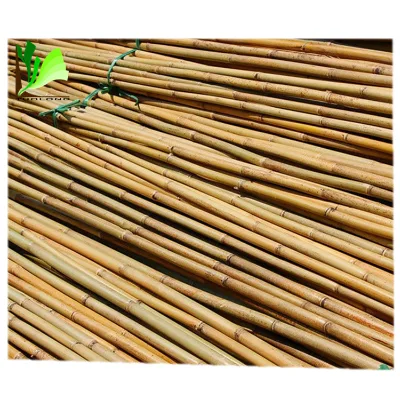
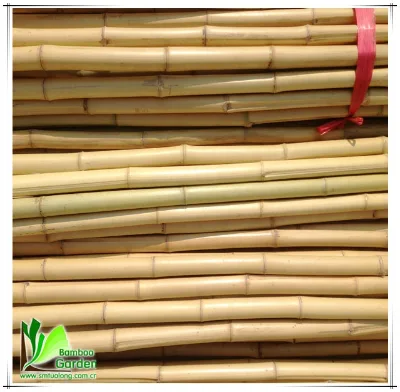


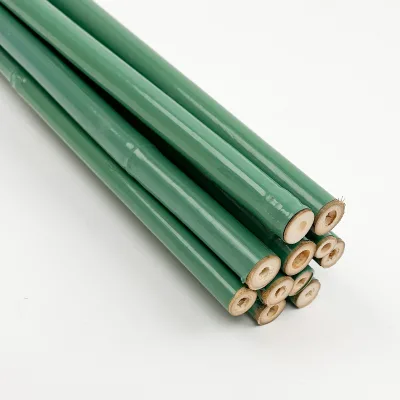
Bamboo Pole/Stick/Cane/Stake for Plant/Treel Support Bamboo Good Qualtity
$0.43 - $0.57
MOQ: 10000 Pieces
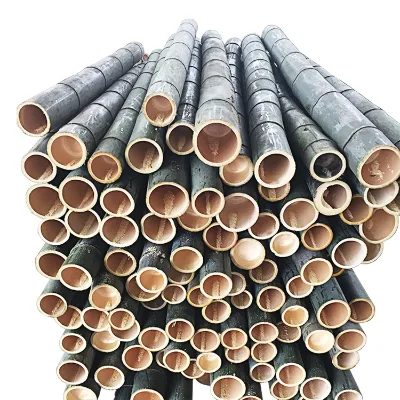
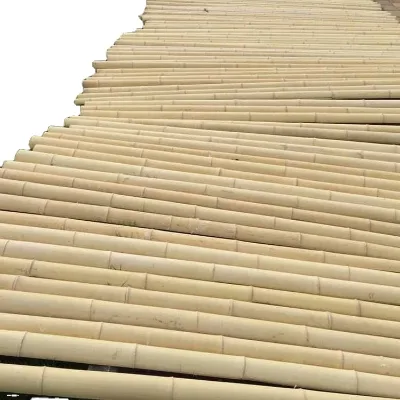


Comprehensive Sourcing Guide
Strategic Sourcing Guide for Plastic Coated Bamboo Poles
Understanding Product Definitions and Material Realities
When initiating a procurement strategy for plastic-coated bamboo poles, buyers must first reconcile the apparent contradiction in the product nomenclature. The core keyword suggests a synthetic coating, yet the available market data and product attributes indicate a primary composition of natural bamboo. The observed product listings frequently describe items as "Plastic Pole Shape Bamboo Poles" or simply "Bamboo Poles," with a specific attribute noting the material as "bamboo" and the color as "natural." This suggests that the "plastic" descriptor in search queries often refers to a specific processing method, a protective treatment, or a misinterpretation of the product's surface finish rather than a full synthetic encasement.
The fundamental material is identified as the stem or branch of the bamboo plant, specifically categorized under "Farming bamboo" and "construction bamboo." The product form is consistently listed as "Straight," with a natural color profile. While the search term implies a plastic coating, the verified attributes highlight a "Natural" color and a "Bare" or "Woven bag" packaging option, alongside a "Plastic Sheet Package" for specific models. Buyers should verify if the "plastic" aspect refers to a specific treatment for insect prevention or a temporary protective layer during shipping, rather than a permanent structural coating. The product is described as having "Special Function" attributes such as "Wear Resistant" and "Corrosion Resistance," which may be the result of the natural properties of the bamboo combined with specific processing, rather than a thick plastic sheath.
Technical Specifications and Dimensional Variability
Precision in technical specifications is critical when sourcing bamboo poles, as natural materials inherently possess variability. The observed data presents a wide range of dimensions that buyers must navigate. The length of the poles is documented in multiple formats, ranging from 0.6 to 6 meters, or more specifically, 60cm to 600cm. The diameter specifications also show significant variance, with some listings indicating a range of 0.006 to 0.12 meters (6mm to 120mm), while others specify a tighter range of 6mm to 60mm. This discrepancy highlights the need for buyers to explicitly define their required dimensions before engaging with suppliers, as the "diverse, customizable" nature of the product means that standard sizes may not align with specific project requirements without a custom order.
The physical form is consistently described as "Pole" or "Straight," with the part identified as the "Stem" or "BRANCH." The moisture content is a vital technical parameter, with a specific observation noting humidity levels of "Less than 16%." This low moisture content is essential for preventing warping, fungal growth, and structural failure in outdoor applications. The product is available in various grades, with "Top Grade" being a specific attribute mentioned, suggesting a tiered quality system where buyers should request samples to verify the grade against their project standards. The shelf life is observed to be up to 3 years under proper storage conditions, though other attributes suggest a useful life of 15-20 years, indicating a distinction between the raw material's stability and its functional lifespan in the field.
| Specification Parameter | Observed Range A | Observed Range B | Critical Verification Point |
|---|---|---|---|
| Length | 0.6m - 6m | 60cm - 600cm | Confirm exact cut length required for application. |
| Diameter | 6mm - 120mm | 6mm - 60mm | Verify if the 120mm limit is standard or custom. |
| Humidity | < 16% | Not specified | Ensure moisture content is verified for storage. |
| Grade | Top Grade | Not specified | Request grade certification or sample comparison. |
| Shape | Straight | Pole | Confirm straightness tolerance for structural use. |
Compliance, Certification, and Safety Standards
Navigating the compliance landscape for bamboo products requires careful attention to the specific certifications listed in the supply chain. The observed data explicitly mentions "CE/EU" certification, which is a crucial indicator for products intended for the European market. This suggests that the manufacturing process and the final product meet specific safety and environmental standards required for import into the European Union. However, buyers must treat this as an observation of specific listings rather than a universal guarantee for all suppliers. The presence of "CE/EU" implies that the supplier has undergone testing or assessment, but the exact scope of this certification—whether it covers the raw material, the coating process, or the final assembly—must be clarified.
In addition to CE/EU, the product attributes list "Insect Prevention" as a positive feature, which is a critical safety and durability factor for bamboo used in agriculture and construction. The material is also described as having "Anti-UV" and "Fire Resistant" features, alongside being "Flame Retardant." These claims require rigorous verification. Buyers should request test reports that specifically validate the flame retardancy and UV resistance, as natural bamboo is inherently combustible and susceptible to UV degradation. The "Eco-friendly" feature is also highlighted, which aligns with the natural origin of the material, but buyers should verify if this claim is supported by specific environmental management systems or if it is a general marketing statement.
It is important to note that while "FSC" (Forest Stewardship Council) is mentioned in the background context, it is listed as a low-confidence fact and should not be asserted as a standard certification for this specific product line without direct confirmation from the supplier. Relying on FSC claims without verified documentation could lead to compliance issues in projects with strict sustainability mandates. Therefore, the primary certification to verify is the CE/EU status, and buyers should inquire about the specific standards (e.g., EN standards) that the product complies with.
Cost Drivers and Economic Factors
The economics of sourcing bamboo poles are influenced by several distinct factors, primarily driven by the raw material variability, processing requirements, and logistical constraints. The observed Minimum Order Quantity (MOQ) ranges widely, from as low as 1 unit to as high as 100,000 pieces, with specific listings citing an MOQ of 10,000 pieces or 300 meters. This variability indicates that the cost per unit is highly dependent on the order volume. Small buyers may face higher unit costs due to the inability to utilize full container loads, while large buyers can leverage economies of scale to reduce the per-meter price.
The price range observed in the market is between $0.02 and $5.00 USD. This wide spectrum suggests that the final price is a function of the pole's length, diameter, grade, and any additional treatments applied. The "Top Grade" designation likely commands a premium over standard grades. Furthermore, the "Customization" availability is a significant cost driver. Custom lengths, diameters, or specific treatments for insect prevention and fire resistance will increase the manufacturing complexity and cost. The packaging method also plays a role; options include "bare," "woven bag," "carton," or "plastic sheet package," each with different cost implications for materials and labor.
Logistics are another major cost component. The port of dispatch is listed as "FUZHOU/XIAMEN," and the place of origin is "Fujian, China." Buyers must factor in shipping costs from these specific ports to their destination. The supply ability is noted as "4 forty-foot container per Month," which indicates a moderate production capacity. This constraint could impact lead times and pricing during peak seasons. Buyers should consider the "Power Source: Manpower" attribute, which suggests a labor-intensive production process, potentially making the supply chain more susceptible to labor cost fluctuations or seasonal availability issues.
Typical Applications and Usage Scenarios
The versatility of bamboo poles makes them suitable for a broad spectrum of applications, ranging from agricultural support to heavy-duty construction. The primary usage categories identified include "Tree support," "contruction" (construction), "Agriculture," "Garden," and "Orchard." In agricultural settings, these poles serve as essential supports for climbing plants, vines, and young trees, leveraging the material's strength and flexibility. The "Straight" form and "Pole" shape are ideal for creating trellises and stakes.
In the construction sector, the poles are utilized for temporary scaffolding, formwork, and structural reinforcement. The "Wear Resistant" and "Corrosion Resistance" attributes make them suitable for environments where metal poles might rust or degrade. The "Easy to Fix" feature suggests that these poles can be readily assembled using standard tools, which is advantageous for rapid deployment in construction sites. Additionally, the product is noted for "support decoration," indicating a dual function in landscaping and aesthetic design, where the "Natural" color and "Eco-friendly" profile enhance the visual appeal of outdoor spaces.
The "Original Use of Bamboo" attribute implies that these products are designed to maintain the traditional utility of the material while adapting it for modern needs. The "Special Function" of being "Flame Retardant" and "Fire Resistant" expands their applicability to areas with strict fire safety codes, although this must be verified against local building regulations. The "Useful Life" of 15-20 years suggests that for permanent installations, these poles offer a long-term solution, provided they are stored and maintained correctly in a "dry" environment.
Supplier Evaluation and Quality Assurance
Evaluating suppliers for bamboo poles requires a multi-faceted approach that goes beyond simple price comparison. The manufacturer is identified as "Fuzhou Tuolong International Trading Co.,Ltd," located in "Fujian, China." While this provides a specific point of contact, buyers should not limit their search to a single entity. Instead, they should verify the supplier's ability to meet the specific technical and compliance requirements outlined in the sourcing guide. Key evaluation criteria include the supplier's capacity to provide "Top Grade" material, their adherence to the "Less than 16%" humidity standard, and their ability to deliver "CE/EU" certified products.
Quality control is paramount when dealing with natural materials. Buyers should implement a rigorous inspection protocol that includes verifying the "Straight" form and checking for defects such as cracks, knots, or insect damage. The "Insect Prevention" feature should be validated through visual inspection or third-party testing reports. Given the "Customization" capability, buyers must ensure that the supplier has the technical expertise to maintain consistency across custom orders. The "Shelf Life" of 3 years and "Useful Life" of 15-20 years should be backed by clear storage and handling guidelines provided by the supplier.
The "Supply Ability" of 4 forty-foot containers per month indicates a moderate scale of operation. Buyers should assess whether this capacity aligns with their project timelines and volume requirements. If a project requires larger volumes, the buyer must confirm if the supplier can scale up production or if they rely on a network of sub-suppliers. The "Port of dispatch" being "FUZHOU/XIAMEN" allows for efficient logistics planning, but buyers should also consider the reliability of the shipping partners and the potential for delays.
Long-Term Procurement and Sustainability Considerations
Sourcing bamboo poles involves long-term considerations regarding sustainability, supply chain resilience, and total cost of ownership. The "Eco-friendly" attribute and the natural origin of the material align with global sustainability trends. However, buyers should verify the specific environmental practices of the supplier to ensure that the "Eco-friendly" claim is substantiated. This includes understanding the sourcing of the raw bamboo, the chemical treatments used for insect prevention and fire resistance, and the disposal methods for the product at the end of its life.
The "Customizable" nature of the product offers flexibility for future projects, but it also introduces complexity in long-term procurement. Buyers should establish clear specifications and quality standards at the outset to ensure consistency across multiple orders. The "MOQ" of 10,000 pieces or 300 meters may require buyers to plan their inventory carefully to avoid overstocking or stockouts. The "Storage Type" of "dry" is a critical factor for maintaining the quality of the poles over time. Buyers should invest in appropriate storage facilities to prevent moisture absorption, which could compromise the structural integrity and lead to premature failure.
Finally, the "Useful Life" of 15-20 years suggests that bamboo poles are a durable investment. However, this lifespan is contingent on proper usage and maintenance. Buyers should develop a maintenance plan that includes regular inspections for signs of wear, insect infestation, or UV degradation. By integrating these long-term considerations into their procurement strategy, buyers can maximize the value and performance of their bamboo pole investments while contributing to sustainable construction and agricultural practices.
FAQs
What is the primary material of plastic coated bamboo poles?
The primary material is natural bamboo, specifically the stem or branch. While the name suggests a plastic coating, the product attributes confirm the core composition is bamboo with a natural color and no synthetic ingredients listed.
Which certifications are available for these bamboo poles?
Some listings explicitly mention CE/EU certification for compliance with European standards. Buyers should verify if this applies to the specific batch, as FSC is listed only as a low-confidence background fact and not a guaranteed standard.
How long is the useful life of these bamboo poles?
The useful life can range from 15 to 20 years under proper conditions. This differs from the shelf life of 3 years, which applies to storage in a dry environment before installation or use in the field.
Can buyers request custom dimensions for bamboo poles?
Yes, customization is available for diverse specifications including length and diameter. The standard ranges vary from 60cm to 600cm in length and 6mm to 120mm in diameter, but exact cuts depend on supplier capacity.
What is the minimum order quantity for these poles?
The minimum order quantity varies significantly, with some listings requiring 10,000 pieces or 300 meters. Other options exist starting from 1 unit, so the specific MOQ depends on the supplier and order volume.
Where are these bamboo poles manufactured and shipped from?
The poles originate from Fujian, China, with dispatch ports in Fuzhou or Xiamen. The manufacturer is identified as Fuzhou Tuolong International Trading Co., Ltd, though other sources may exist in the region.
What special functions do these bamboo poles offer?
They offer wear resistance, corrosion resistance, and insect prevention. Additional features include being flame retardant, fire resistant, and anti-UV, though these claims require verification against specific test reports for safety compliance.